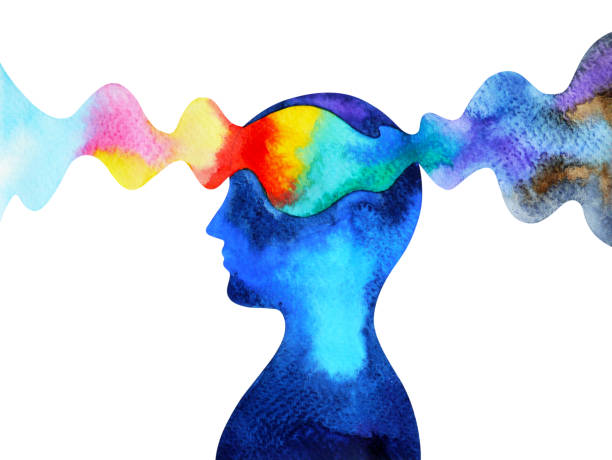
Psychology of Colors Intro

The Psychology of Colors

Colors have the power to influence how we feel, think, and experience the spaces around us. From calming blues and refreshing greens to energetic yellows and passionate reds, every color creates a different mood. Explore the psychology behind colors and discover how the right shades can transform your space and reflect your personality.

Red

The red color is often associated with energy, passion, and action. It is closely linked with energy, war, danger, strength, power, determination as well as passion, desire, and love. It is suggested that red enhances human metabolism, increases respiration rate, and raises blood pressure.

Orange

The orange is formed when yellow and red are combined. The color induces feelings of excitement, enthusiasm, and warmth. Traffic signs and advertisements often use orange to draw attention. It is considered an energetic color.

Black

The color black is known to evoke emotions such as sadness, anger, and power. The black color is symbolic of mystery, power, elegance, and sophistication in color psychology.

White

The color white is a color that symbolizes innocence and purity. It is sometimes referred to as the color of perfection. In color psychology white is the color of new beginnings.

Yellow

The color yellow encourages knowledge acquisition and builds up an appetite. It is the color that resonates with the left or logic side of the brain stimulating our mental faculties and creating mental agility and perception. Yellow is the color of new ideas, helping us to find new ways of doing things.

Green

The color green is known to have a cool effect due to its association with nature. It is strongly associated with luscious landscapes and a healthy calming environment. Green symbolizes luck, health, tranquility, and jealousy.

Your Shopping cart

Close